
What Does Orthodontic Treatment Actually Cost?
Orthodontic treatment typically costs between $3,000 and $10,000, with most patients paying significantly less out-of-pocket thanks to insurance benefits and flexible payment options. The total includes your initial free consult, diagnostic records, appliances, all adjustment visits, retainers, and follow-up care.
When you’re considering braces or clear aligners for yourself or your child, the first thing you probably want to know is what you’ll actually pay. Understanding orthodontic treatment cost and financing is the first step toward making a confident decision. The good news is that several factors work in your favor, and the final number is often lower than families expect.
Your treatment total covers more than just the brackets or aligners you see. Think of it as a complete package designed to give you a healthy, confident smile that lasts a lifetime.
Straight teeth aren’t just about looks. This is a commitment to your long-term oral health. Properly aligned teeth are easier to clean, which means fewer cavities and less gum disease over time. A corrected bite reduces wear on your enamel and can prevent jaw issues down the road.
Where you live matters too. Fees vary by geographic region, with urban areas often running higher than smaller communities. The type of treatment you choose and how involved your case is will also affect your final number. A mild spacing issue takes less to correct than a severe overbite requiring years of careful adjustment.
Most families find orthodontic care more affordable than they expected. Between insurance coverage, in-house payment plans, and third-party financing, there are plenty of ways to make your smile goals fit your budget.
How Orthodontic Financing and Payment Plans Work
At Sparkman Orthodontics, getting started doesn’t require a large upfront payment. We offer a free consult where you’ll receive an estimate customized to your specific needs before committing to anything.
Here’s how the process typically works:
- Schedule your free consult. During this visit, the team evaluates your teeth, discusses your goals, and determines which treatment options make sense for your situation.
- Receive your custom treatment plan. This includes a breakdown of fees, estimated treatment time, and payment options available to you.
- Choose your payment approach. You’ll have several options to consider based on what works best for your family’s budget.
In-house payment plans
In-house payment plans are the most popular choice for many families. These typically split your total into manageable monthly installments. Many offices offer little to no interest on these plans, making them a great option if you prefer to work directly with your orthodontic team.
Third-party financing
Third-party financing through companies like CareCredit offers extended payment terms for larger balances. These options can stretch payments over several years, keeping monthly amounts low. Some promotional periods even offer zero-interest financing if you pay within a set timeframe.
Insurance verification
Insurance verification happens early in the process. If you have dental insurance with orthodontic benefits, the office team will check your coverage and explain exactly how much your plan will contribute. Many families are pleasantly surprised to learn their insurance covers a significant portion of treatment.
Down payments vary by practice and payment plan. Some offices require a deposit to begin treatment, while others offer flexible options that let you get started with minimal money down. The team at your free consult will walk you through all available options so you can make an informed decision.
Why Straight Teeth Matter More Than You Think
Orthodontic treatment delivers value that extends far beyond a beautiful smile. When you understand the full range of benefits, the decision becomes much easier.
How Does Orthodontic Treatment Improve Oral Health?
Crowded or overlapping teeth create tight spaces where food particles and bacteria hide. Even with diligent brushing and flossing, these areas are hard to clean properly.
Straight teeth are simply easier to maintain, reducing your risk of cavities, gum disease, and other dental issues. Your daily brushing and flossing routine becomes far more effective when your teeth are properly aligned.
Can Braces Help Prevent Future Dental Work?
Misaligned bites cause uneven wear on tooth enamel. Over time, this can lead to cracked teeth, damaged restorations, and the need for crowns or other repairs. Addressing alignment issues now helps you avoid these situations later. Many patients find that taking care of orthodontic needs early saves them from more involved dental procedures as they age.
Does Orthodontic Treatment Help with Jaw Discomfort?
When your bite doesn’t line up correctly, your jaw muscles work overtime to compensate. This can cause chronic headaches, jaw soreness, and temporomandibular joint (TMJ) disorders. Proper alignment lets your jaw function as it should, and many patients report significant relief once their bite is corrected.
There’s also the confidence factor, and it’s hard to overstate. Whether you’re a teen heading to prom or an adult preparing for a job interview, feeling good about your smile matters. Patients consistently report improved self-esteem after completing treatment.
When you break down the total over monthly payments, most families find it fits comfortably into their budget.
Cost Comparison: Braces vs. Clear Aligners vs. Other Options
Not all orthodontic appliances carry the same price tag. Here’s how the most common options compare:
| Treatment Type | Typical Range | Best For |
|---|---|---|
| Traditional Metal Braces | $3,000 to $7,000 | Involved cases, all ages, budget-friendly |
| Ceramic/Clear Braces | $4,000 to $8,000 | Patients wanting less visible brackets |
| Invisalign | $3,500 to $8,500 | Mild to moderate cases, adults and teens wanting discretion |
| Spark Clear Aligners | $3,500 to $8,500 | Similar to Invisalign with premium aesthetics |
| Damon® braces | $4,000 to $8,000 | Patients seeking potentially fewer office visits |
Traditional metal braces remain the most versatile and typically most affordable option. They work well for virtually any orthodontic issue, and modern metal braces are smaller and more comfortable than the ones you might remember.
Ceramic or clear braces function like metal braces but use tooth-colored or clear brackets that blend with your teeth. The tradeoff is a slightly higher price and brackets that require a bit more care to prevent staining.
Clear aligners like Invisalign and Spark clear aligners offer a nearly invisible treatment experience. You wear a series of custom-made trays that gradually shift your teeth into position. They’re removable for eating and cleaning, and they work best for mild to moderate cases.
Damon® braces use a self-ligating system that doesn’t require elastic ties. According to the manufacturer, this design may reduce friction and potentially decrease the number of adjustment visits needed.
At Sparkman Orthodontics, the complexity of your case drives the total more than the appliance type. A simple case with clear aligners might run less than an involved case with metal braces. That’s why a free consult is so valuable. You’ll learn exactly which options work for your specific situation and what each will run.
Key Factors That Affect Your Orthodontic Treatment Cost
The main factors that affect your orthodontic treatment cost are case complexity, treatment duration, appliance type, insurance coverage, patient age, and geographic location. Understanding these variables helps you anticipate what to expect when you receive your custom estimate.
The biggest factor is how complex your case is. A mild spacing issue that takes 12 months to correct runs significantly less than a severe overbite requiring 24 to 30 months of treatment. More involved cases need more visits, more materials, and more of your orthodontist’s expertise.
How long you’re in treatment also plays a role. Longer treatment means more adjustment visits, more supplies, and more time in the chair. You can’t rush the biology of tooth movement, but following your orthodontist’s instructions carefully helps keep treatment on track.
Different appliance types carry different price tags. Your orthodontist will recommend options that work for your specific needs, and you’ll have input on the final decision.
Then there’s insurance. Coverage varies widely from plan to plan. Many dental plans include orthodontic benefits, though every plan is different. Plans commonly cover somewhere between $1,000 and $3,000, with some covering a percentage of treatment up to a lifetime maximum. According to the American Dental Association, orthodontic services represent one of the most common specialty dental benefits included in employer-sponsored plans. The team at your free consult will help you understand exactly what your plan covers.
Age and treatment phase matter too. Phase 1 treatment for younger children addresses specific issues early and is typically shorter and less involved than full treatment. Adult treatment may run higher if previous dental work or missing teeth complicate the case.
And don’t forget location. Practices in major metropolitan areas often have higher overhead that gets reflected in treatment fees. Smaller communities may offer more competitive pricing while delivering the same quality care.
The American Association of Orthodontists recommends getting a free consult to understand your specific needs. Every smile is different, and only a thorough evaluation can provide an accurate estimate for your situation.
Who Should Consider Orthodontic Treatment, and When?
Orthodontic care isn’t just for teenagers with a mouth full of metal. Today’s patients span every age group, and the right time to start depends on your individual circumstances.
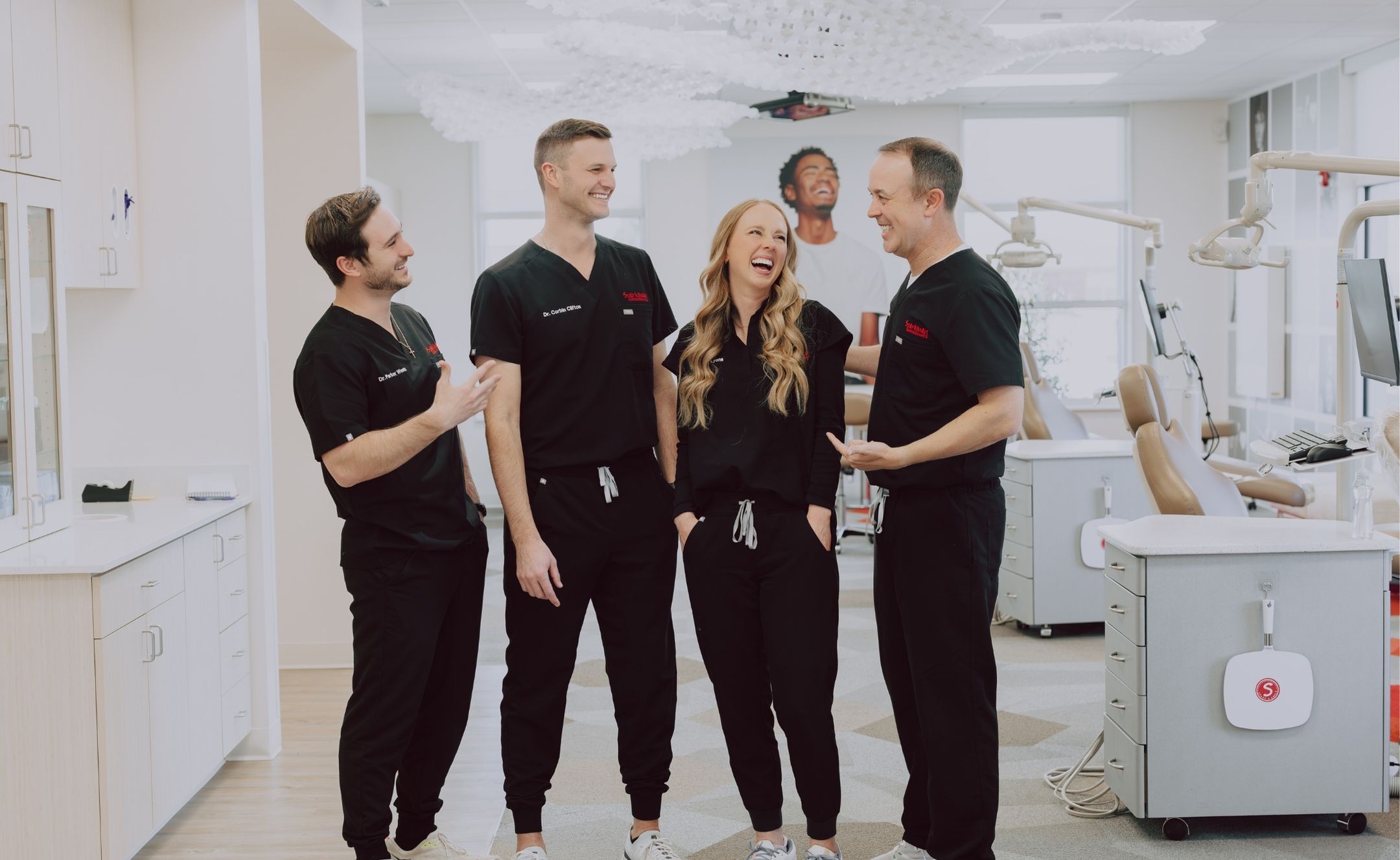
The team at Sparkman Orthodontics, led by our board-certified orthodontists, recommends children have their first orthodontic evaluation by age 7. At this age, enough permanent teeth have come in to identify potential issues early. Early evaluation doesn’t mean early treatment. It means your orthodontist can monitor growth and development, stepping in at the right time if needed.
Teens remain the most common treatment group. The teenage years offer an ideal window because most permanent teeth have erupted, yet the jaw is still growing. Many teens appreciate starting high school or college with confident smiles.
What about adults who missed out on braces as kids? It’s not too late. According to the American Association of Orthodontists, one in three orthodontic patients today is over 18. Clear aligners and ceramic braces make treatment more discreet than ever, and many adults find the process easier than they expected.
You might be a candidate if you have:
- Crowded or overlapping teeth
- Gaps or spacing between teeth
- Overbite, underbite, or crossbite
- Jaw discomfort or difficulty chewing
Don’t let financial concerns hold you back. Flexible payment plans remove most barriers to treatment. Many families discover that getting started is far more manageable than they assumed.
The best way to know if orthodontic treatment is right for you? Schedule a free consult. You’ll get a thorough evaluation, learn about your options, and receive an estimate customized to your specific needs with no obligation to proceed.
Frequently Asked Questions About Orthodontic Costs
How much do braces cost without insurance?
Without insurance, traditional metal braces typically range from $3,000 to $7,000 depending on your case complexity and treatment length. Clear braces and aligners often fall in the $4,000 to $8,500 range. Most patients spread these totals across monthly payments rather than paying upfront.
Does dental insurance cover orthodontic treatment?
Many dental insurance plans include orthodontic benefits, though coverage varies significantly. Plans commonly cover between $1,000 and $3,000 toward treatment, and some have age restrictions or require pre-authorization. Your orthodontic team can verify your specific benefits during your free consult.
Can I make monthly payments for braces?
Yes! Most orthodontic offices offer in-house payment plans that divide your total into affordable monthly installments. Many of these plans charge little to no interest. Third-party financing options provide additional flexibility with extended payment terms for families who need it.
Are clear aligners more expensive than braces?
Clear aligners and traditional braces often run in a similar range, though aligners can be slightly higher for some cases. The price difference has narrowed considerably in recent years. Your case complexity and treatment goals matter more than the appliance type when determining the total. Some patients find aligners more worthwhile when factoring in fewer missed work hours for visits.
Is orthodontic treatment worth it?
Board-certified orthodontists agree that properly aligned teeth are easier to clean and maintain. Beyond the confidence boost of a beautiful smile, straight teeth reduce your long-term risk of cavities, gum disease, and dental repairs. A corrected bite can also prevent jaw discomfort and TMJ issues.
What is the most affordable type of braces?
Traditional metal braces are typically the most affordable orthodontic option. They’re also the most versatile, capable of treating everything from mild crowding to involved bite issues. Don’t let price alone drive your decision, though. The right treatment for your specific needs will deliver the best long-term value.