
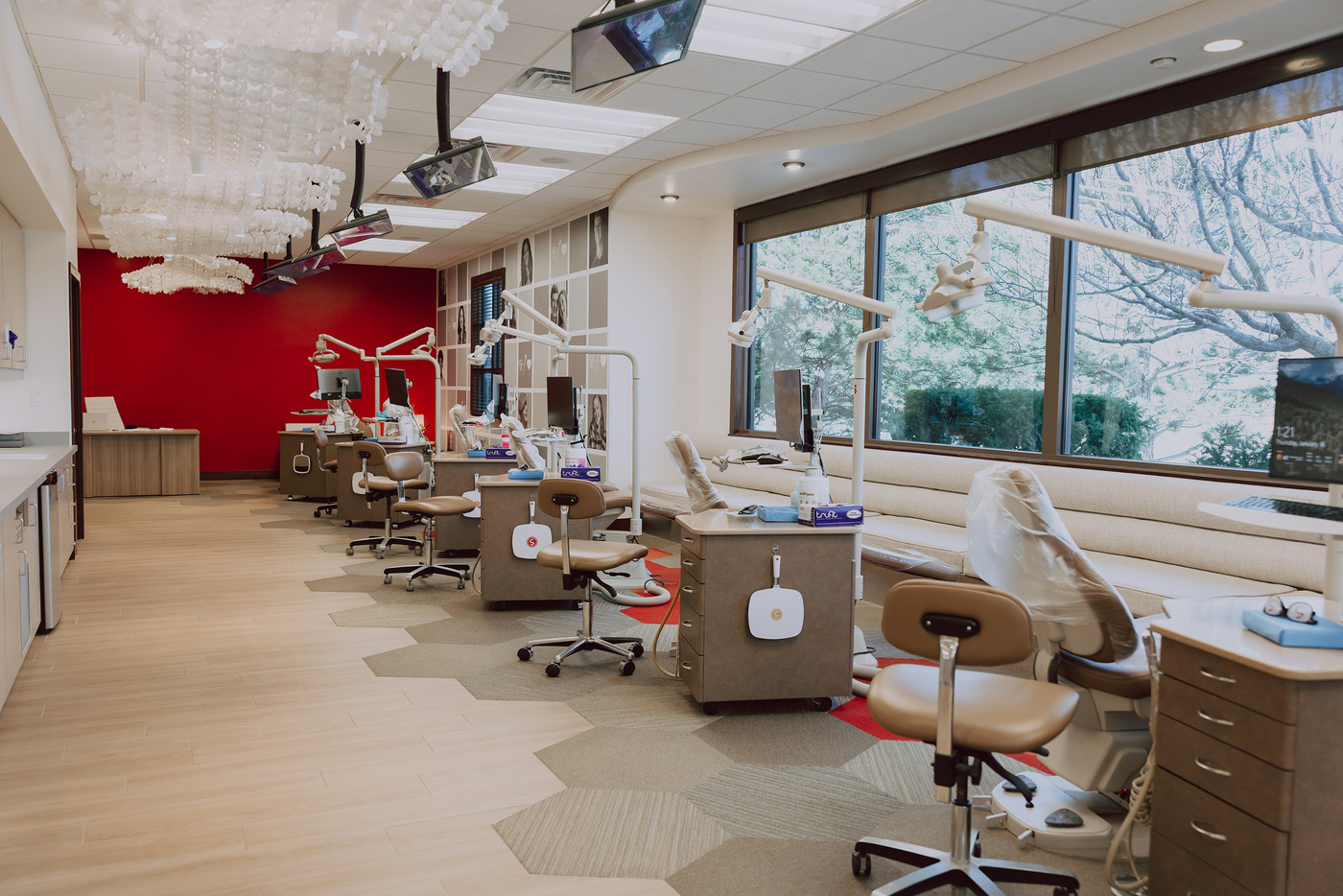
Most people still picture gooey impression trays and monthly office visits when they think about braces or aligners. That picture is outdated. Orthodontic care has changed dramatically over the past decade, and the connection between orthodontic technology and patient experience has never been stronger. Families across Amarillo and the Texas Panhandle are already seeing the difference firsthand.
Today’s orthodontic technology touches every phase of your treatment process. From the moment you walk in for your first free consult to the day you see your final smile, digital tools work behind the scenes to make your experience more comfortable, more predictable, and often faster than it used to be.
What Is Orthodontic Technology and Why Does It Matter for Patient Experience?
Orthodontic technology refers to the digital tools and systems that help orthodontists diagnose, plan, and deliver treatment with greater precision. These include digital scanners, advanced imaging systems, and software that simulates tooth movement before treatment begins.
Why should you care about any of this?
Because technology directly shapes your experience as a patient. It determines whether you spend five minutes or fifteen minutes getting impressions. It influences how many times you need to visit the office. It affects whether your treatment takes 18 months or 24 months. And it impacts how confident you feel about your results before you even start.
Patient experience in orthodontics covers several key areas. Comfort during visits and throughout treatment matters. So does convenience, including visit frequency and scheduling flexibility. Transparency about what to expect and how treatment is progressing plays a big role. And outcomes that match or exceed your expectations tie everything together.
The shift from analog to digital orthodontics represents one of the biggest changes in dental care over the past two decades. Gone are the days when orthodontists relied primarily on 2D X-rays and physical impressions to plan your treatment. Data-driven workflows now give both you and your orthodontist a clearer picture of where you’re starting and where you’re headed.
This evolution mirrors what you’ve seen in other areas of healthcare. You expect your doctor to have access to digital records. You appreciate when medical imaging gives clear, detailed views of what’s happening inside your body. You value being able to track your health metrics through apps and wearable devices. Modern orthodontic care, especially in practices that invest in staying current, meets those same expectations.
The key technologies reshaping orthodontic technology and patient experience include:
Digital Intraoral Scanners. These wand-like devices capture thousands of images per second to create precise 3D models of your teeth. No more gagging on impression material.
Cone Beam Computed Tomography (CBCT). This imaging technology provides detailed 3D views of your teeth, roots, bone, and airway in a single scan.
3D Printing and CAD/CAM Systems. These tools create custom appliances, retainers, and aligners designed specifically for your mouth.
Remote Monitoring Platforms. Apps like DentalMonitoring allow you to check in with your orthodontist from home using your smartphone camera.
Clear Aligner Systems. Digital treatment planning makes virtually invisible aligners like Spark Clear Aligners and Invisalign possible.
Board-certified orthodontists who invest in these technologies can offer a noticeably different level of care. The experienced team at Sparkman Orthodontics, for example, uses these tools across their Amarillo-area offices to deliver our 5-star experience for the entire family. We care about your smile, and that means staying current with advances that genuinely improve how every patient feels about their care.
How Modern Orthodontic Technology Works: From First Visit to Final Result
Understanding how these technologies work together can help you appreciate what happens during your treatment. Let’s walk through the process step by step.
Digital Scanning Replaces Messy Impressions
Remember those trays filled with cold, gooey putty? The ones that made you gag while you waited several minutes for the material to set? Digital scanning has largely replaced that experience, and patients in Amarillo and beyond are grateful for it.
During a digital scan, your orthodontist or a trained team member guides a small wand around your teeth. The scanner captures detailed images and stitches them together in real time, creating an accurate 3D model of your mouth. The entire process typically takes just a few minutes.
What makes this better for you:
- No gagging or discomfort from impression material
- Faster capture time
- You see your teeth on screen right away
- Higher accuracy means better-fitting appliances
- Easy to redo if needed, no wasted materials
CBCT and 3D Imaging Provide the Full Diagnostic Picture
Traditional dental X-rays show a flat, 2D view of your teeth. While useful, they can miss important details about root positions, bone density, and jaw relationships.
Cone Beam CT imaging captures a full 3D view of your oral structures in a single rotation around your head. The scan takes less than a minute and exposes you to significantly less radiation than a medical CT scan.
With this detailed view, your orthodontist can see exactly where tooth roots are positioned, evaluate bone quality and quantity, and identify any hidden issues before treatment begins. They can also plan precise tooth movements that account for anatomical limitations and assess airway and jaw joint health when relevant.
This thorough diagnostic picture means fewer surprises during treatment. Your orthodontist knows exactly what they’re working with from day one.
AI-Assisted Treatment Planning Maps Your Tooth Movement
Here’s where things get really interesting. Using specialized software, your orthodontist can digitally move your teeth on screen, planning each stage of your treatment before anything happens in your mouth. The Sparkman Orthodontics team uses this approach to design treatment that is customized to your specific needs.
This treatment simulation shows where each tooth needs to move, the sequence of movements for the best results, how your bite will come together, and what your smile will look like when treatment is complete.
For clear aligner patients, this digital plan directly generates each set of aligners. For braces patients, it guides bracket placement and wire selection. Either way, you benefit from a plan that’s been carefully designed before treatment begins.
Some systems incorporate artificial intelligence to suggest treatment approaches based on thousands of similar cases. Your orthodontist reviews and refines these suggestions, combining clinical expertise with data-driven insights.
How Custom Appliances and Remote Monitoring Work Together
Once your treatment plan is finalized, digital manufacturing takes over. 3D printers and computer-aided design systems create appliances tailored specifically to your mouth. For clear aligners like Spark Clear Aligners, each tray is custom-fabricated to move your teeth according to the digital plan. For Damon® Braces, custom brackets and wires can be designed for more precise fit and movement.
Better fit means more efficient tooth movement. Fewer unexpected issues arise from poorly fitting hardware. Consistent quality from digital manufacturing processes keeps everything on track.
One of the most patient-friendly advances in recent years is remote monitoring technology. Here’s how it typically works:
- Download the app to your smartphone
- Using a special cheek retractor, snap photos of your teeth from specific angles
- AI technology within the app analyzes your images automatically
- Your orthodontist reviews both the analysis and your photos directly
- Feedback arrives through the app, confirming things look great or providing instructions if something needs attention
This technology means you don’t need to come into the office every few weeks just for a quick check. Instead, you visit when there’s actual work to be done, like changing wires or addressing specific concerns.
For busy families, professionals, and students across the Amarillo area, this flexibility makes a real difference. Less time in waiting rooms. More time living your life.
Throughout your treatment, digital records also create a complete history of your progress. Your orthodontist can compare current scans to previous ones, tracking exactly how your teeth have moved. Quick identification of anything not progressing as planned becomes possible. Informed decisions about treatment adjustments happen faster. And smooth care continues even if you ever need to see a different provider.
Key Benefits of Technology-Driven Orthodontic Care
Now that you understand how these technologies work, let’s focus on what they mean for your day-to-day experience as an orthodontic patient. The relationship between orthodontic technology and patient experience shows up most clearly in these practical benefits.
Fewer In-Office Visits
Remote monitoring capabilities have changed how often patients need to come into the office. Instead of scheduling visits every four to six weeks regardless of what’s happening with your treatment, you can check in digitally and visit only when necessary. Practices like Sparkman Orthodontics use DentalMonitoring to help reduce routine visits for Amarillo-area families.
This matters if you have a demanding work schedule, travel frequently, are a parent juggling multiple kids’ activities, or simply value your time. Fewer visits doesn’t mean less attention to your care. It means smarter, more efficient use of everyone’s time.
Greater Comfort Throughout Treatment
Digital scanning eliminates one of the most uncomfortable parts of traditional orthodontic care. But comfort improvements go beyond impressions.
Precision-fit appliances from digital manufacturing tend to cause less irritation. Treatment plans refined through simulation can reduce the total time you spend in braces or aligners. Remote monitoring means you can address minor concerns before they become bigger issues. Board-certified orthodontists who combine clinical skill with these digital tools can deliver a noticeably more comfortable experience from start to finish.
More Predictable Outcomes with Digital Planning
When your orthodontist can simulate your entire treatment digitally, surprises become less common. You both know what to expect, and the treatment plan accounts for potential challenges before they arise.
This predictability helps with setting realistic timelines and understanding what your final results will look like. It also builds confidence about your investment in treatment and reduces anxiety about the unknown.
Can Technology Shorten Overall Treatment Times?
Precision matters in orthodontics. When brackets are placed exactly where they need to be, when aligners fit perfectly, and when tooth movements are planned through digital workflows, treatment can often proceed more efficiently.
While every case is different, technology-enhanced orthodontics frequently allows for more efficient tooth movement from day one and fewer mid-treatment adjustments. Time spent correcting preventable issues drops. Coordination between different phases of treatment improves.
Better Transparency and Communication
One of the most valuable benefits of orthodontic technology is the ability to see what’s happening with your treatment. Digital simulations show you your projected results before you commit. Progress photos document your changes over time. Remote monitoring keeps you connected to your care team.
Progress photos and digital updates let you track your smile changes in real time. This transparency builds trust and helps you feel like an active participant in your care rather than a passive recipient of treatment.
Digital tools also make it easier for you and your orthodontist to stay on the same page. You can see the same images and simulations they’re using to make decisions. Progress updates come through apps rather than waiting for your next visit. Questions can often be addressed quickly through digital channels.
For parents of younger patients, this communication improvement is especially valuable. You can stay informed about your child’s treatment without needing to attend every visit.
Traditional Orthodontics vs. Technology-Enhanced Orthodontics
To appreciate how far orthodontic care has come, it helps to compare traditional approaches with today’s technology-enhanced methods.
| Aspect | Traditional Approach | Technology-Enhanced Approach |
|---|---|---|
| Impressions | Putty trays; 3-5 min per arch; uncomfortable | Digital scan; 1-2 min total; comfortable |
| Imaging | 2D X-rays; limited views | 3D CBCT; full teeth, roots, bone, airway |
| Planning | Manual measurements; experience-based | Digital simulation; AI-assisted; visual preview |
| Monitoring | Monthly in-person visits | Remote app-based check-ins; visits when needed |
| Appliances | Stock brackets; manual adjustments | Custom 3D-printed aligners; CAD/CAM brackets |
| Communication | Updates during office visits only | Real-time digital updates; app-based tracking |
| Records | Physical models; film X-rays; paper | Digital 3D models; electronic imaging; integrated |
The Impression Experience
Perhaps no single change has improved patient comfort more than the shift from putty impressions to digital scanning. Traditional impressions required you to bite down on a tray filled with cold, often unpleasant-tasting material while it slowly set. Gagging was common. Retakes were frustrating.
Digital scanning feels more like having your teeth photographed. The wand doesn’t even touch most of your mouth. You can breathe normally. And if the scan needs adjustment, it takes seconds rather than starting over with new impression material.
Diagnostic Capabilities
Traditional 2D X-rays served orthodontics well for decades, but they have inherent limitations. Overlapping structures can hide important details. Root positions are difficult to assess accurately.
CBCT imaging addresses these limitations head-on. Your orthodontist can rotate the 3D image, zoom in on specific areas, and examine structures from any angle. This full view supports better treatment decisions and reduces the likelihood of unexpected findings during treatment.
Digital Planning Precision
In traditional orthodontics, treatment planning relied heavily on the orthodontist’s experience and judgment. While skilled orthodontists achieved excellent results, the process involved more uncertainty than today’s digital approach.
Digital treatment planning allows your orthodontist to test different approaches virtually before committing to one. They can see how tooth movements will affect your bite. They can identify potential obstacles and plan around them. And they can show you exactly what to expect, which is a huge shift in how orthodontic technology and patient experience intersect.
Remote Monitoring Changes the Visit Schedule
The traditional model of monthly office visits made sense when there was no other way to check on treatment progress. But it also meant patients spent time traveling to visits where nothing significant happened.
Remote monitoring changes this equation. When your orthodontist can review your progress through app-submitted photos, in-person visits can focus on actual treatment needs. You might visit every 8-10 weeks instead of every 4-6 weeks, with remote check-ins filling the gaps.
Why Appliance Quality Matters for Daily Comfort
Stock orthodontic brackets work well, but custom-designed appliances can work better. When brackets are positioned exactly according to a digital plan, tooth movements become more predictable. When aligners are fabricated from precise digital models, they fit better and move teeth more efficiently.
This precision doesn’t just affect outcomes. It affects your daily comfort. Better-fitting appliances cause less irritation and require fewer adjustments.
Does Advanced Orthodontic Technology Affect What You Pay?
Advanced orthodontic technology doesn’t necessarily increase treatment fees. At practices like Sparkman Orthodontics, efficiency gains from digital workflows, including fewer visits, shorter treatment times, and reduced remakes, often offset the technology investment and can potentially lower overall fees for patients.
A reasonable question when considering any healthcare service: does all this technology make treatment more out of reach financially? The answer is more nuanced than you might expect.
Technology Can Actually Reduce Overall Fees
While digital equipment requires significant investment from orthodontic practices, the efficiency gains often benefit patients financially. Fewer visits means less time off work and fewer trips to the office. Shorter treatment times can reduce the total fee for care. Fewer emergency visits happen thanks to remote monitoring that catches issues early. And reduced remakes result from digital precision that minimizes fitting issues.
The investment in technology isn’t about charging more. It’s about delivering better care more efficiently. When treatment takes less time and requires fewer visits, the monthly investment often decreases.
The Value of Remote Monitoring for Your Budget
The ability to monitor treatment remotely can significantly reduce unexpected charges. When your orthodontist can see a potential issue developing through your app photos, they can address it before it becomes a bigger concern requiring additional visits or extended treatment time.
Treatment Options and Investment Levels
Different treatment approaches come with different investment levels, regardless of the technology involved. Traditional metal braces remain the most affordable option for many patients. Clear aligners like Spark Clear Aligners or Invisalign typically require a higher investment but offer aesthetic advantages. Complex cases requiring longer treatment naturally run higher than straightforward cases.
The technology itself doesn’t necessarily drive fees up or down. What matters is how that technology improves your specific treatment.
Payment Options Available to Amarillo-Area Families
Most orthodontic practices offer flexible payment plans that make treatment accessible regardless of which technologies are involved. Our payment calculator helps families understand their options before committing to treatment.
The bottom line: don’t assume that technology-enhanced care is out of reach. In many cases, the efficiency improvements make treatment more affordable when you factor in time, convenience, and outcomes.
Who Benefits Most from Technology-Enhanced Orthodontic Treatment?
While virtually every orthodontic patient benefits from technological advances, certain groups find these improvements especially valuable. If you’re considering a free consult, knowing where you fit can help set expectations.
Busy Adults and Professionals
If your calendar is packed with meetings, travel, and responsibilities, you probably can’t afford to spend hours in waiting rooms every month. Remote monitoring and efficient digital workflows let you maintain your treatment without disrupting your professional life. We see this firsthand with patients across the Amarillo area who need flexibility built into their care.
Technology-enhanced care means fewer days taking time off work for visits, quick check-ins through your smartphone, and visits scheduled only when there’s actual work to be done.
Teens with Packed Schedules
Between school, sports, music lessons, and social activities, today’s teenagers have little free time. Technology makes orthodontic treatment fit more easily into their lives.
Teens especially appreciate digital progress tracking that feels familiar and engaging, fewer visits that conflict with activities, and clear aligners that don’t interfere with sports or performances. Visual simulations also help them stay motivated by showing where their smile is headed.
Patients with Dental Anxiety
If the thought of dental visits makes you nervous, technology offers real relief. Digital scanning eliminates one of the most anxiety-inducing parts of orthodontic care. Shorter, more efficient visits mean less time in the chair. Knowing exactly what to expect through treatment simulation can ease worries about the unknown.
Complex Cases, Children, and Clear Aligner Patients
When treatment involves significant tooth movement or jaw alignment issues, the precision of digital planning becomes especially valuable. CBCT imaging reveals details that might otherwise remain hidden, and treatment simulation helps identify potential challenges before they arise.
Children often find digital technology engaging rather than intimidating. Seeing their teeth on a screen and watching simulations of how their smile will change can make treatment feel more like an adventure than a chore. For parents, technology provides peace of mind, since you can see exactly what’s happening with your child’s treatment and stay informed without attending every visit.
If you’re considering clear aligners like Spark Clear Aligners or Invisalign, you’re inherently choosing a technology-driven treatment. These systems rely entirely on digital scanning, treatment planning, and manufacturing. The precision of these digital workflows is what makes virtually invisible orthodontic treatment possible.
Frequently Asked Questions About Orthodontic Technology and Patient Experience
Is digital scanning more accurate than traditional impressions?
Yes. Digital intraoral scanners capture detailed 3D images with precision that traditional putty impressions can’t match. The digital process eliminates variables like impression material setting inconsistently, trays shifting during capture, or distortion during shipping to the lab.
Studies published in orthodontic journals consistently show that digital scans provide more accurate representations of tooth positions. For patients, this accuracy translates to better-fitting appliances and more predictable treatment outcomes.
How does remote monitoring work and is it safe?
Remote monitoring uses your smartphone camera and a specialized app to capture images of your teeth between office visits. You’ll use a small cheek retractor to hold your lips back while taking photos from specific angles. The app’s AI technology analyzes these images, and your orthodontist reviews the results.
This approach is completely safe. Many patients find it more convenient than frequent office visits, and it allows your orthodontist to catch potential issues earlier than they might during monthly visits.
Will technology make my orthodontic treatment faster?
Technology can contribute to shorter treatment times, though the impact varies by case. Digital treatment planning maps out tooth movements from the start, reducing inefficient movements that extend treatment. Precision-fit appliances move teeth more predictably. Remote monitoring catches issues early before they cause delays.
That said, your teeth can only move at a certain biological pace regardless of technology. The best way to understand your expected treatment timeline is to discuss your specific case with your orthodontist during your free consult.
What is 3D treatment planning and how does it help my case?
3D treatment planning uses specialized software to digitally simulate your orthodontic treatment before it begins. Your orthodontist starts with a 3D scan of your current teeth and then digitally moves each tooth to its ideal position, planning the sequence and timing of movements.
This simulation helps your orthodontist identify the most efficient path to your desired results and reveals potential challenges early. It also gives you a visual preview of your expected outcome. For clear aligner patients, this digital plan directly generates each set of aligners. For braces patients, it guides bracket placement and wire selection.
Does my insurance cover technology-enhanced orthodontic treatment?
Yes, in most cases. Orthodontic insurance typically covers treatment rather than specific technologies. Whether you choose traditional braces or clear aligners, your insurance benefits usually apply the same way. The technologies used to plan and monitor your treatment generally don’t affect your coverage.
Some treatment options, like premium clear aligners, may have different fee levels that affect your out-of-pocket amount. Our team can help you understand how your specific insurance plan applies to different treatment options.
Where can I learn more about starting technology-enhanced orthodontic care?
The best first step is a free consult with an orthodontic team that uses current digital technology. During this visit, you’ll experience digital scanning firsthand, see how 3D imaging works, and learn how treatment planning software can plan your smile from start to finish. At Sparkman Orthodontics, serving your family with excellence in orthodontics is at the heart of everything we do. Our team provides treatment that is customized to your specific needs, pairing the latest technology with the personalized, compassionate care the entire family deserves.