
What Are Clear Aligners, and How Is Invisalign Different?
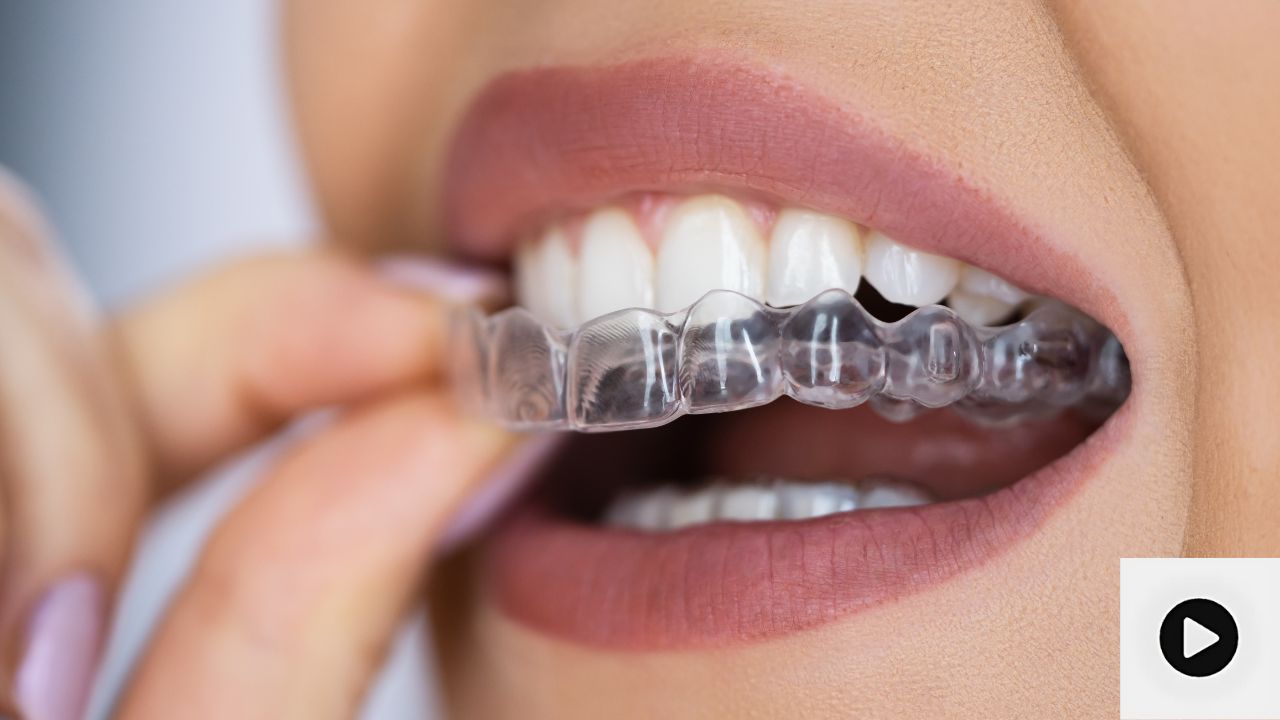
Clear aligners have changed how people think about straightening their teeth. No metal brackets. No wires. Just transparent trays that fit over your teeth and gradually shift them into place. Clear aligners are custom-made, removable orthodontic trays designed to straighten teeth without metal brackets or wires. Invisalign is the most recognized brand, but it’s one of several orthodontist-prescribed aligner systems, each using different materials and technology to move teeth.
Here’s where it gets confusing, though: Invisalign is everywhere. You’ve seen the ads, heard friends talk about it, maybe even spotted those familiar blue cases. So when someone mentions “clear aligners,” most people assume that means Invisalign.
It doesn’t.
Invisalign is one brand of clear aligners, the most recognized one, sure, but it’s not your only option. Sparkman Orthodontics offers Spark Clear Aligners alongside Invisalign because different families need different solutions. Other orthodontist-prescribed brands include ClearCorrect and 3M Clarity, each with their own material technology and case applications.
What all professional clear aligners share: custom planning by an orthodontist who maps every millimeter of tooth movement. Your trays are designed specifically for your teeth, your bite, and your goals.
This matters because it separates in-office aligners from DIY mail-order options. Those direct-to-consumer kits skip the orthodontist entirely, and skip the expertise that keeps your teeth, roots, and jaw healthy throughout the process. The American Association of Orthodontists has raised concerns about unsupervised aligner use for good reason.
How Clear Aligners Work: The Treatment Process Step by Step
The process starts with getting to know your teeth. Our team uses digital scanning technology to map your smile from the very first visit. Here’s what that looks like in practice.
What Happens During Your Initial Scan and Planning?
Step 1: Digital Scanning
A digital scanner captures a detailed 3D model of your teeth in just a few minutes, replacing the goopy impressions you might remember from childhood.
Step 2: Custom Planning
Here’s where orthodontic expertise really comes in. Your doctor uses specialized software to plot exactly how each tooth needs to move, in what sequence, and at what pace. This step is the most involved part of the entire process, because the quality of the plan determines the quality of your results. You’ll often get to see a simulation of your final smile before anything begins. That preview gives you a clear picture of what to expect, and it helps you stay motivated from day one.
What Does the Day-to-Day Aligner Experience Look Like?
Step 3: Wearing Your Trays
Each set of aligners makes small, targeted movements. You’ll wear them 20 to 22 hours per day, removing them only for eating, drinking anything besides water, and brushing. Most people switch to a new set every one to two weeks.
Step 4: Attachments When Needed
For more complex movements, your orthodontist may bond small tooth-colored attachments to certain teeth. These give the aligners something to grip, making rotations and vertical movements more predictable. Not every case needs attachments, but when they’re used, they make a real difference in how precisely teeth respond to each tray.
Step 5: Progress Monitoring
Regular check-ins keep everything on track. DentalMonitoring technology allows our team at Sparkman Orthodontics to track your progress remotely between visits, which is especially helpful for busy schedules.
Benefits of Choosing Clear Aligners Over Traditional Braces
The main benefits of clear aligners over traditional braces include near-invisibility, removability for eating and brushing, fewer emergency visits, and improved comfort. These advantages make aligners a strong option for teens and adults who want straighter teeth without the look and feel of metal brackets.
Why Does Removability Matter?
You can take them out. Eating your favorite foods? No issue. Brushing and flossing? Same routine as always. No threading floss under wires or avoiding popcorn for two years. This single feature changes the entire experience for most people, especially teens who don’t want to overhaul their daily habits.
Fewer emergency visits. Without brackets that can pop off or wires that can poke, you’ll spend less time dealing with unexpected orthodontic issues. That means fewer missed school days and fewer last-minute schedule changes for parents.
How Do Clear Aligners Improve Comfort and Confidence?
They’re nearly invisible. Most people won’t notice you’re wearing them unless you point it out. For adults in professional settings and teens who want to skip the “metal mouth” comments, this matters more than almost anything else.
Smooth plastic sits against your cheeks and gums without the irritation that metal brackets sometimes cause. The comfort difference is noticeable from the first day.
You can preview your results. Digital planning means you can see where your smile is headed before you commit. That visualization helps you stay motivated from start to finish, and it removes a lot of the uncertainty that comes with starting something new.
Invisalign vs. Other Clear Aligners: A Side-by-Side Comparison
Not all clear aligners are created equal. The materials, technology, and clinical applications differ between brands, and those differences can matter for your specific case. When comparing Invisalign and clear aligner options, the details below can help you and your orthodontist make the right call.
Invisalign uses a proprietary material called SmartTrack, developed specifically for tooth movement. It’s been available since the late 1990s, which means Invisalign has the largest clinical dataset and can handle the widest range of case complexity. If you have a particularly challenging bite issue, Invisalign’s extensive research base is worth considering.
Spark Clear Aligners use TruGEN material. Published testing shows Spark aligners are more stain-resistant and have a higher clarity rating than many competitors. They stay clearer longer, which matters when you’re wearing them all day. Our doctors, all AAO members, evaluate each case individually to recommend the best-fitting system.
Both systems require orthodontist supervision. Neither is a DIY product, and neither should be.
How Do Invisalign and Spark Compare Side by Side?
| Feature | Invisalign | Spark Clear Aligners |
|---|---|---|
| Material | SmartTrack | TruGEN |
| Clarity Rating | High | Higher (clearer appearance) |
| Stain Resistance | Good | Better |
| Case Complexity Range | Mild to severe (widest range) | Mild to moderate-plus |
| Clinical History | Since late 1990s | Newer, rapidly growing |
| Orthodontist Required | Yes | Yes |
| Remote Monitoring Compatible | Yes | Yes |
What about timelines? For similar cases, both systems typically produce results in comparable timeframes. The bigger factor is your specific tooth movements and how consistently you wear your trays.
The right choice depends on your case complexity, material preferences, and your orthodontist’s recommendation. During your free consult, your doctor will discuss which option makes the most sense for your smile goals. This Invisalign and clear aligner comparison is a starting point, but nothing replaces a one-on-one evaluation with an experienced orthodontist.
How Much Do Clear Aligners Cost? Key Pricing Factors Explained
Clear aligner fees typically range from $3,000 to $8,000, depending on case complexity, the length of your plan, and which brand your orthodontist recommends. Most orthodontist-prescribed aligners like Invisalign and Spark fall within a similar range when compared for equivalent cases.
Let’s dig into the factors that influence your investment.
Case complexity matters most. Simple spacing issues require fewer trays and less time than correcting a significant bite issue. More involved cases carry a higher fee because they require more aligners, more visits, and more expertise.
The length of your plan affects the total. A six-month case runs less than an eighteen-month case. Your orthodontist will give you a realistic timeline during your evaluation.
Brand selection plays a role, too. When prescribed by an orthodontist, Invisalign and Spark typically fall in a similar range. The difference between brands is usually less significant than the complexity of your individual case.
Insurance coverage is often available. Many dental insurance plans cover clear aligners the same way they cover traditional braces. Check your benefits, because you might be pleasantly surprised. Our team at Sparkman Orthodontics can help you verify your coverage before you start.
Payment plans make care accessible. Our Payment Calculator helps you estimate monthly amounts before you commit. HSA and FSA funds can also reduce your personal financial responsibility.
A word about DIY aligners: Those mail-order options advertise lower fees, but they skip the orthodontist entirely. According to the American Association of Orthodontists, unsupervised aligner use can lead to root damage, bite issues, and corrections later that add up quickly. The apparent “savings” often disappear when you need professional help to address what went sideways.
Who Is a Good Candidate for Clear Aligners?
Good candidates for clear aligners are teens and adults with mild to moderate crowding, spacing, or bite issues who can commit to wearing trays 20 to 22 hours daily. At Sparkman Orthodontics, our doctors evaluate each person to confirm aligner candidacy before recommending a specific system. Clear aligners work well for many orthodontic cases, but not every case.
Ideal candidates typically have:
- Mild to moderate crowding or spacing
- Minor bite issues such as overbite, underbite, or crossbite
- Teeth that need straightening without major jaw repositioning
- Enough discipline and consistency to wear trays 20 to 22 hours every day
Age isn’t the barrier it used to be. Clear aligners work for teens and adults alike. Some systems now serve younger patients too, though your orthodontist will determine if aligners or braces make more sense based on dental development.
Compliance is everything. Here’s the honest truth: clear aligners only work if you wear them. If you’re someone who might “forget” to put your trays back in after lunch, or who finds excuses to leave them out, braces might actually serve you better. There’s no shame in that. It’s about finding what works for your lifestyle and your family’s routine.
Some cases still need braces. Severe skeletal discrepancies, complex bite issues, or significant tooth rotations may require the precision that brackets and wires provide. An orthodontist evaluation is the only reliable way to know which approach fits your situation.
Our team, all members of the American Association of Orthodontists, will give you an honest assessment. If clear aligners aren’t right for you, we’ll say so directly. If they are, we’ll help you choose between Invisalign and Spark based on your specific needs.
Frequently Asked Questions About Invisalign and Clear Aligners
Is Invisalign better than other clear aligners?
Not necessarily. Invisalign has the longest track record and handles the widest range of cases, but other brands like Spark offer advantages in clarity and stain resistance. The “best” aligner is the one your orthodontist recommends for your specific case.
How long does the clear aligner process take?
Most clear aligner plans take between 6 and 18 months, though some simpler cases finish faster and complex cases may take longer. Your timeline depends on how much your teeth need to move and how consistently you wear your trays. Your doctor will give you a realistic estimate during your free consult.
Can you eat with clear aligners in?
No. Remove your trays before eating or drinking anything besides water. Food can damage the aligners, and beverages like coffee, tea, or wine can stain them. Pop them out, enjoy your meal, brush your teeth, and put them back in.
Do clear aligners hurt?
You’ll feel pressure, especially during the first few days of each new tray. That pressure means your teeth are moving, which is the whole point. Most people describe it as mild discomfort rather than anything sharp. Over-the-counter relievers help if needed, and most people barely notice the switch anymore as your mouth adapts to the routine.
Are clear aligners as effective as braces?
Yes, for appropriate cases. When an orthodontist determines that clear aligners can achieve your goals, they’re just as effective as traditional braces. Some complex situations still require braces, which is why a professional evaluation, like the free consult offered at Sparkman Orthodontics, matters more than any online quiz.