
What Does It Mean to Evaluate an Orthodontist?
Orthodontic evaluation criteria are the standards you use to compare providers before committing to care. These criteria cover credentials, technology, communication style, office atmosphere, and pricing transparency. Choosing the right orthodontist affects your teeth, your bite, and how you feel about your smile for years, so it pays to know what to look for before your first visit.
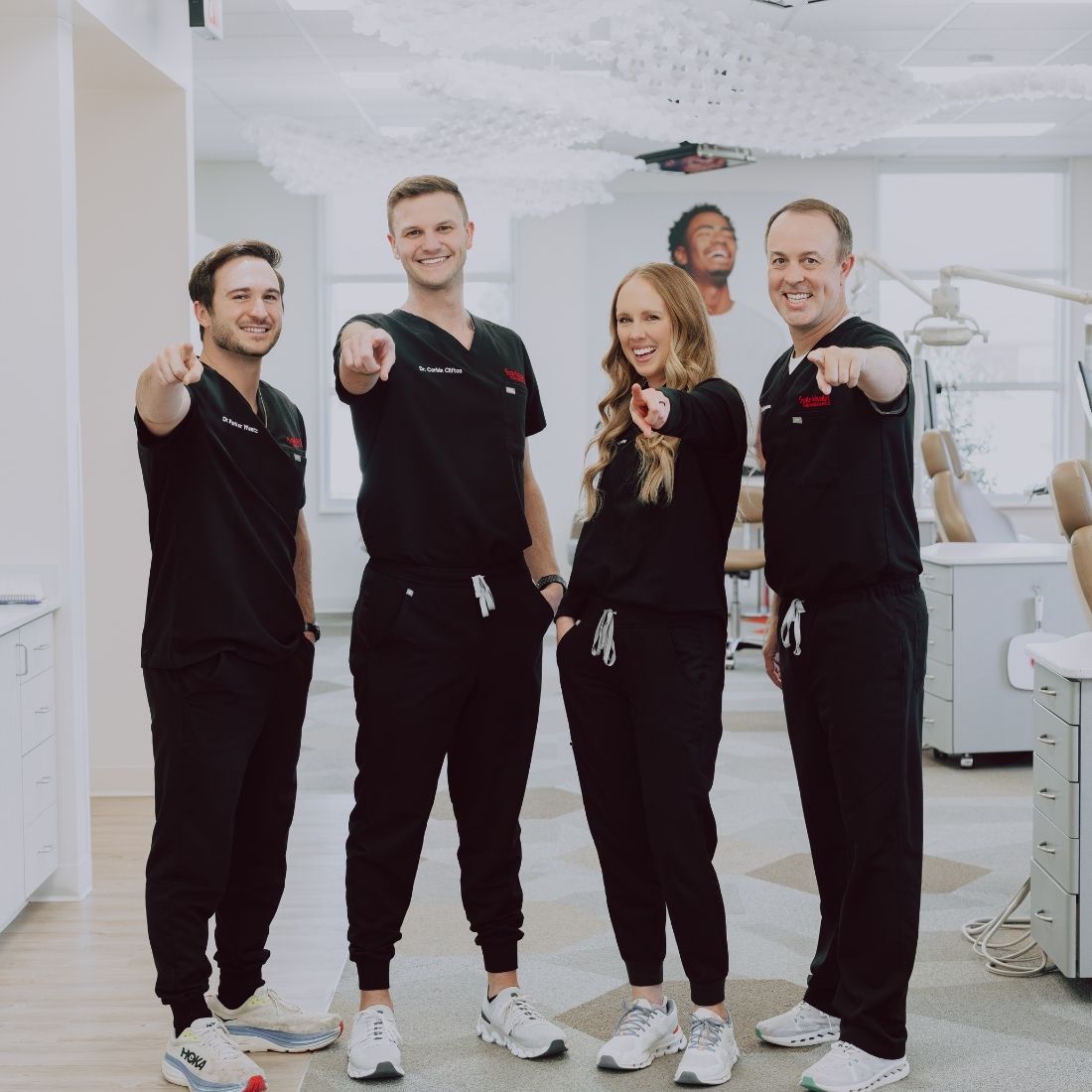
Unlike choosing a general dentist for cleanings and fillings, selecting an orthodontist means finding a specialist who has completed 2-3 years of additional training beyond dental school. That extra education focuses entirely on tooth movement, jaw alignment, and facial development. Board-certified orthodontists who are members of the American Association of Orthodontists (AAO) have verified this training through accredited residency programs. At Sparkman Orthodontics, our doctors, including Dr. Sparkman, Dr. Lyons, Dr. Clifton, and Dr. Wentz, bring this level of specialized education to every case they see.
The orthodontist you choose affects more than just your final smile. Your comfort during visits, how well the team communicates, and whether the office feels welcoming all play a role in how smoothly your time in care goes. When you find the right fit, your family is more likely to stay on track with visits and follow care instructions. That kind of consistency leads directly to better outcomes and a smile everyone loves.
How to Evaluate an Orthodontist: A Step-by-Step Approach
Comparing orthodontists doesn’t have to feel overwhelming. Break it down into manageable steps, and you’ll feel confident in your choice.
How Do I Verify an Orthodontist’s Credentials?
Start with the basics. Is the orthodontist board-certified? Are they a member of the American Association of Orthodontists (AAO)? AAO membership means the provider completed an accredited orthodontic residency program. Board certification through the American Board of Orthodontics shows additional commitment to excellence. These credentials are non-negotiable.
What Should I Look for in Online Feedback?
Google, Facebook, and Instagram are good starting points. Look for patterns, not just star ratings. You want to see whether people mention feeling comfortable and whether the team explains things clearly. It also helps to read how the practice responds to concerns, because a thoughtful reply tells you a lot about their values. At Sparkman Orthodontics, our 5-star experience reflects the care our team puts into every interaction.
How Important Is Technology in Orthodontic Care?
Modern orthodontic care looks different than it did even five years ago. Ask about digital scanning instead of goopy impressions. Find out if they use 3D imaging for planning. Some practices offer remote monitoring tools, which lets your orthodontist track progress between visits through your smartphone, and that kind of convenience is worth asking about during your free consult.
Why Should I Visit the Office in Person?
Nothing replaces a face-to-face visit. During your free consult, notice how the team treats you. Pay attention to whether the orthodontist takes time to answer your questions and whether they explain options without pushing you toward a single path. This visit reveals whether the practice feels right for everyone in your family.
How Do I Compare Plans from Different Orthodontists?
Once you’ve had a few free consults, compare what each orthodontist recommends. Look at estimated timelines, the types of appliances suggested, and how clearly they explain pricing. Transparent pricing with no hidden fees is a green flag.
Benefits of Choosing the Right Orthodontist
The right orthodontist makes a measurable difference in your experience and your results. When you take time to evaluate your options carefully, you’re setting yourself up for smoother visits, fewer surprises, and a final smile that lasts. The payoff goes well beyond straight teeth, and it starts with choosing a provider whose training, technology, and communication style match what your family needs.
Here are the key benefits of choosing the right orthodontist:
- Better clinical outcomes from a specialist who handles complex cases daily
- Access to modern options like clear aligners and self-ligating braces
- Fewer emergency visits thanks to proper planning and quality materials
- Long-lasting results that reduce the need for retreatment
- A comfortable, welcoming atmosphere that keeps your family on track
- Clear communication that builds trust from the very first visit
How Does Specialist Training Improve Outcomes?
Working with a specialist who has advanced training typically leads to better clinical results. Orthodontists handle complex cases every day. They recognize subtle issues a general dentist might miss and know how to address them efficiently.
You’ll also gain access to modern options. Clear aligners, Damon Braces, and self-ligating systems offer different advantages depending on your needs. An experienced orthodontist can match you with the best approach for your specific situation, which matters especially when your family is weighing multiple options at once.
Broken brackets, poking wires, and unexpected complications all decrease with proper planning and quality materials. Skilled hands mean fewer emergency visits.
Why Does Patient Comfort Matter?
Here’s something people overlook: when you feel comfortable with your orthodontist and their team, you’re more likely to show up for visits and follow instructions at home. That consistency directly affects how well your smile progresses. A welcoming atmosphere with modern technology makes every visit easier, especially for kids and teens who may feel nervous.
Quality results last. Investing in the right provider now reduces the chance you’ll need retreatment later. That’s real long-term value for your family.
Orthodontist vs. Dentist vs. DIY Aligners: How Do They Compare?
You have three main paths for straightening teeth. They’re not interchangeable, and the differences matter more than most people realize.
| Factor | Board-Certified Orthodontist (DDS/DMD with Specialty Residency) | General Dentist with Aligners | DIY/Mail-Order Aligners |
|---|---|---|---|
| Training | 2-3 years specialty residency | Weekend courses or certification | None required |
| Case Complexity | Simple to severe | Mild to moderate | Simple crowding only |
| Supervision | In-person exams, X-rays, adjustments | Periodic check-ins | Remote or none |
| Options | Full range (braces, aligners, appliances) | Aligners primarily | Aligners only |
| Monitoring | Clinical exams with imaging | Visual checks | Photos submitted via app |
Board-certified orthodontists, credentialed through the American Board of Orthodontics, complete rigorous specialty training that prepares them for everything from mild spacing to complex jaw discrepancies. ABO-certified diplomates monitor your progress with X-rays and hands-on clinical exams, catching issues early.
General dentists offering aligners may handle straightforward cases well, but their training in tooth movement is limited. For anything beyond mild crowding, your family is better served by a specialist.
DIY aligners skip in-person supervision entirely. While they might work for very simple cases, the lack of professional oversight means issues can go unnoticed. According to the AAO, patients who use direct-to-consumer aligners without professional supervision may experience complications that require corrective care.
Investment Factors to Consider When Choosing an Orthodontist
Orthodontic pricing depends on the type of care, case complexity, insurance coverage, and payment flexibility. Metal braces are typically a lower investment than clear options, and complex cases require more visits and expertise. In-network insurance and flexible payment plans can significantly reduce your out-of-pocket amount.
Price matters, but it shouldn’t be your only consideration. Here’s what actually affects orthodontic pricing:
How Does the Type of Care Affect Pricing?
Traditional metal braces are typically a lower investment than clear braces or aligners like Invisalign and Spark Clear Aligners. Each option has trade-offs between visibility, comfort, and effectiveness for your specific case.
Does Case Complexity Change the Price?
A simple spacing issue takes less time than correcting a severe overbite. More complex cases require more visits, more adjustments, and more expertise, and that’s reflected in the pricing.
How Can Insurance and Payment Plans Help?
Check whether the orthodontist is in-network with your dental insurance. In-network providers have negotiated rates that can significantly reduce your out-of-pocket amount. Many practices also help you maximize your benefits. Look for practices offering payment plans or financing options. Some provide online payment calculators so families can plan ahead.
Is the Lowest Price Always the Best Value?
The least pricey option isn’t always the best value. An experienced orthodontist using quality materials may charge more upfront but delivers better long-term value when care goes smoothly without complications or the need for retreatment. Weigh pricing against credentials, technology, and the overall experience.
Who Should Spend the Most Time Evaluating Orthodontists?
Parents, adults seeking discreet options, patients with complex bites, and anyone considering a second opinion should spend extra time evaluating orthodontists, especially when board-certified specialists are available. Everyone deserves a great provider, but some situations call for more careful research.
Are You a Parent Choosing Care for Kids or Teens?
Your child’s first orthodontic experience shapes how they feel about dental care for life. Finding a practice that makes kids feel comfortable while delivering excellent results is worth the research. Trust your gut here.
Considering Clear Aligners or Lingual Braces?
If you want discreet options, look for an orthodontist experienced with adult cases. Adult teeth move differently than children’s teeth, and a provider who understands those nuances gets better outcomes.
Do Complex Bite Issues Need Specialist Expertise?
Crossbites, open bites, and jaw discrepancies need advanced training. These cases often involve growth considerations and may require additional appliances. Don’t trust complex care to someone without extensive specialty education.
Should You Get a Second Opinion?
If something feels off about a plan you’ve received, get another perspective. A different orthodontist might suggest an alternative approach that better fits your goals. Many practices, including Sparkman Orthodontics, offer a free consult, making it easy to explore your options.
Frequently Asked Questions About Choosing an Orthodontist
What questions should I ask during a free consult?
Ask about the orthodontist’s credentials, experience with your specific concerns, and recommended options. Find out how long similar cases typically take, what’s included in the quoted price, and how they handle emergencies. Don’t forget to ask about payment plans and insurance.
Is a board-certified orthodontist better than a general dentist for braces?
For most cases, yes. Board-certified orthodontists complete years of specialty training focused exclusively on tooth movement and bite correction. They’re equipped to handle everything from simple alignment to complex jaw issues, and they can serve your family with confidence.
How do I know if an orthodontist uses current technology?
Ask directly during your free consult. Look for digital scanners (no messy impressions), 3D planning software, and options like remote monitoring. Modern practices also tend to showcase their technology on their websites and social media.
Should I get multiple free consults before deciding?
Getting two or three free consults helps you compare approaches, personalities, and pricing. Many practices offer these at no charge, making it easy to explore your options without financial pressure.
What does a free consult typically include?
A free consult usually includes an initial exam, a discussion of your concerns and goals, an overview of your options, and a general pricing estimate. Some practices include X-rays or digital scans. It’s your chance to ask questions and see if the practice feels right for you and your family.