
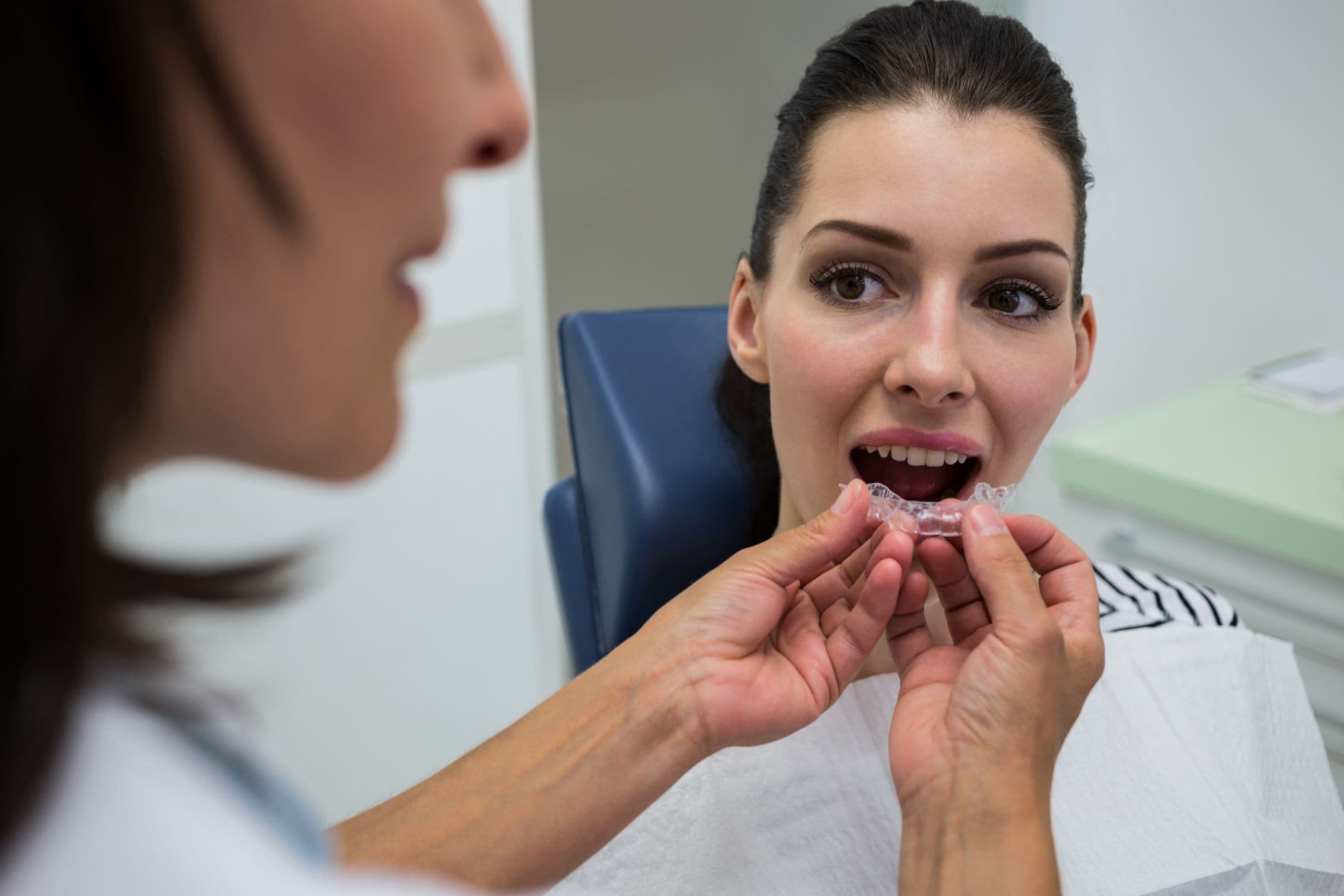
No, it’s never too late to get braces as an adult. Your teeth can be moved at any age, as long as your gums and supporting bone are healthy. Adults make up a significant portion of orthodontic patients today, and that number continues to grow as discreet options become more available. At 25, 45, or 65, straightening your teeth is possible, and the results can make a real difference for your daily life and long-term oral health.
Adults pursue orthodontic care for many reasons. Some want to refine crowding or spacing they’ve lived with for years. Others want relief from bite issues that contribute to jaw discomfort or uneven tooth wear. And many simply want a more confident smile for personal or professional reasons. The good news? Modern options make getting braces as an adult more comfortable and discreet than ever, with technology designed around real adult lifestyles.
Our team at Sparkman Orthodontics sees adults every day who thought their chance for a straighter smile had passed. It hasn’t. Your smile goals are still within reach, no matter your age or stage of life.
How Adult Orthodontic Care Works
Adult orthodontic care works in three phases: consultation and planning, active treatment with regular adjustments, and retention to preserve your final smile. Each phase is built around your goals, your schedule, and the health of your teeth and gums, so the process feels manageable from start to finish. Most adult cases run between 12 and 24 months, depending on complexity.
Getting braces as an adult follows a straightforward process, starting with a free consult. During this visit, an AAO-member, board-certified orthodontist examines your teeth, takes digital scans, and evaluates your bite, gum health, and bone density. This thorough assessment helps determine which approach will work best for you. It’s also a chance to ask questions and learn what’s realistic for your smile.
From there, a treatment plan is created based on your specific goals and lifestyle. If you need a discreet option for work, that’s factored in. If you have a complex bite issue requiring more precise control, the plan reflects that too.
The active treatment phase
The active treatment phase involves regular check-ins, typically every 4 to 8 weeks. During these visits, our team makes adjustments to braces or provides your next set of aligners. Each visit moves you closer to your final result.
For patients who want fewer office visits, DentalMonitoring technology allows remote progress tracking between visits. You scan your teeth at home, and the doctor reviews the images to make sure everything is on track. It’s simple. It saves time. And it keeps your care moving forward.
Retention
Retention begins once active treatment ends. Wearing retainers as directed preserves your results long-term. Without retention, teeth can gradually shift back toward their original positions, so this step matters just as much as the treatment itself. Most patients wear retainers nightly long-term to keep their new smile stable.
The whole process is designed around your life. Adults have busy schedules, and the Sparkman Orthodontics team works with you to make care manageable.
Benefits of Getting Braces as an Adult
Straightening your teeth as an adult delivers benefits that go beyond appearance. Here’s what you can expect:
- Easier oral hygiene. Tightly packed or overlapping teeth trap food and plaque. Straight teeth are simpler to brush and floss, reducing your risk of cavities and gum disease.
- Reduced jaw soreness and headaches. Bite issues force your jaw to work harder than it should. Better alignment can relieve chronic tension, TMJ discomfort, and related headaches.
- Less uneven tooth wear. When your bite is off, certain teeth absorb more force than others. Over time, this causes chips, cracks, and enamel erosion. Proper alignment distributes pressure evenly across your smile.
- Boosted self-confidence. Many adults hide their smile in photos. A straighter smile changes that.
- Long-term oral health. Better alignment now can prevent more extensive dental work later, like crowns, bridges, or extractions caused by damage from misalignment.
- Improved speech and chewing. Bite alignment affects how you pronounce certain sounds and chew food.
Modern options like clear aligners make care nearly invisible. You can straighten your teeth without anyone noticing.
Adult Treatment Options: Braces vs. Clear Aligners
Today’s adults have more orthodontic options than ever. Braces are fixed brackets and wires that work well for complex cases and significant bite alignment, giving the doctor precise control. Clear aligners are removable trays that suit mild-to-moderate alignment cases and offer a nearly invisible look. The right choice depends on your case complexity, lifestyle, and personal preferences.
| Treatment Type | Best For | Visibility | Key Features |
|---|---|---|---|
| Traditional Metal Braces | Complex cases, significant bite alignment | Visible | Most precise control, effective for all case types |
| Damon® Braces | Moderate to complex cases | Less visible than traditional | Self-ligating system, often fewer adjustments needed |
| Clear Ceramic Braces | Adults wanting less visible fixed braces | Tooth-colored brackets | Discreet appearance with the precision of braces |
| Invisalign | Mild to moderate alignment cases | Nearly invisible | Removable, no food restrictions |
| Spark clear aligners | Mild to moderate cases | Nearly invisible | Removable, clear, comfortable fit |
Traditional metal braces
Traditional metal braces remain very effective for complex cases. They provide precise control over tooth movement and can address significant tight spacing, gaps, and bite alignment.
Damon® Braces
Damon® Braces use a self-ligating system that eliminates elastic ties. This often means faster care, less friction, and fewer adjustment visits. Many patients find them more comfortable than traditional braces.
Clear ceramic braces
Clear ceramic braces offer the precision of fixed braces with tooth-colored brackets that blend with your smile. They’re a popular choice for adults who need braces but want a subtler look.
Clear aligners
Clear aligners like Invisalign and Spark clear aligners are removable trays that gradually shift your teeth. They’re nearly invisible and let you eat whatever you want. They do require discipline, though. You’ll need to wear them most of the day and night, as directed by your orthodontist, for them to work effectively.
Our team will recommend the best option based on your specific needs. During your free consult, you’ll discuss which approach makes the most sense for your goals and lifestyle.
What Affects the Investment in Adult Braces?
Several factors influence the total investment for adult orthodontic care:
| Factor | Impact on Investment |
|---|---|
| Treatment type | Traditional braces typically run less than clear aligners |
| Case complexity | More involved alignment or bite cases require longer care |
| Treatment duration | Longer care means more visits and adjustments |
| Additional appliances | Expanders, elastics, or extractions add to the total |
| Geographic location | Pricing varies by region and practice |
Insurance coverage
Insurance coverage for adult orthodontics varies widely. Some dental plans include orthodontic benefits for adults, while others limit coverage to patients under 18. Check with your insurance provider to understand what’s included.
Flexible payment options
Flexible payment options make care accessible. Many practices offer monthly payment plans that spread the investment over the length of treatment. HSA and FSA funds can also be applied to orthodontic expenses, providing tax advantages.
The best way to understand your investment is through a personal free consult. You’ll receive a detailed treatment fee estimate based on your specific case, along with information about payment options and insurance coordination.
Are You Too Old for Adult Braces? Candidacy Explained
Most adults with healthy teeth and gums are wonderful candidates for orthodontic care. In short, if your gums are healthy, your bone supports your teeth well, and you’re committed to follow-through, you’re likely a great match for care. Existing dental work, age, and a busy schedule rarely stand in the way. Here’s what makes someone a good fit:
- Healthy gums and adequate bone support. Your teeth need a solid foundation to move safely. Active gum disease or significant bone loss should be addressed before starting care.
- No untreated decay. Cavities should be filled before braces go on. Our doctors coordinate with your general dentist to make sure your mouth is healthy and ready.
- Common alignment goals. Adults with tight spacing, gaps, overbite, underbite, crossbite, or open bite are typical candidates. Improving alignment now supports a healthier, more confident smile for years to come.
- Existing dental work is fine. Crowns, implants, or bridges don’t disqualify you.
- Commitment to the process. Adult care requires consistent oral hygiene and regular visits. If you’re ready to follow through, you’re a good candidate.
A free consult with an AAO-member, board-certified orthodontist determines the right approach for your situation. Our doctors at Sparkman Orthodontics evaluate your teeth, gums, and bite to create treatment that is customized to your specific needs.
Frequently Asked Questions About Adult Braces
How long does adult orthodontic care take?
Most adult cases take 12 to 24 months, though this varies based on complexity. Minor alignment cases may resolve in under a year, while more involved bite work can take longer. You’ll get a timeline estimate during your free consult, and we’ll walk you through every step so you know exactly what to expect.
Are adult braces uncomfortable?
Not really, and that surprises a lot of folks. Adults experience the same mild soreness after adjustments that teens do. The soreness typically lasts a few days and responds well to over-the-counter relievers. Your teeth may feel pressure as they move, but the process isn’t harsh, and most patients say it’s far easier than they expected.
Will my insurance cover adult orthodontics?
Coverage varies by plan. Many dental insurance policies include partial orthodontic benefits for adults, though lifetime maximums and waiting periods may apply. At Sparkman Orthodontics, our team will gladly help verify your benefits and walk through what’s covered before you start.
Can I get Invisalign instead of braces?
Often, yes. Clear aligners work well for mild to moderate alignment cases. More involved bite alignment or significant tight spacing may require the precision of traditional braces. At Sparkman Orthodontics, our team will recommend the option that gives you the best results.
Do adult teeth move slower than children’s teeth?
Adult bone is denser than a child’s, which can mean slightly longer care times. Adult teeth still respond well to orthodontic forces. The difference is modest, and care remains highly effective regardless of your age.
What’s the oldest age for braces?
There is no upper age limit for braces. Patients in their 50s, 60s, and beyond successfully straighten their teeth every day. As long as your teeth, gums, and bone are healthy, you can benefit from orthodontic care at any stage of life.
Curious whether braces are right for you? It’s never too late to work toward the smile you’ve always wanted. A free consult is the easiest way to learn what’s possible for your teeth, your bite, and your goals. Our experienced, board-certified team will look at your smile, answer your questions, and walk you through options that fit your life.