
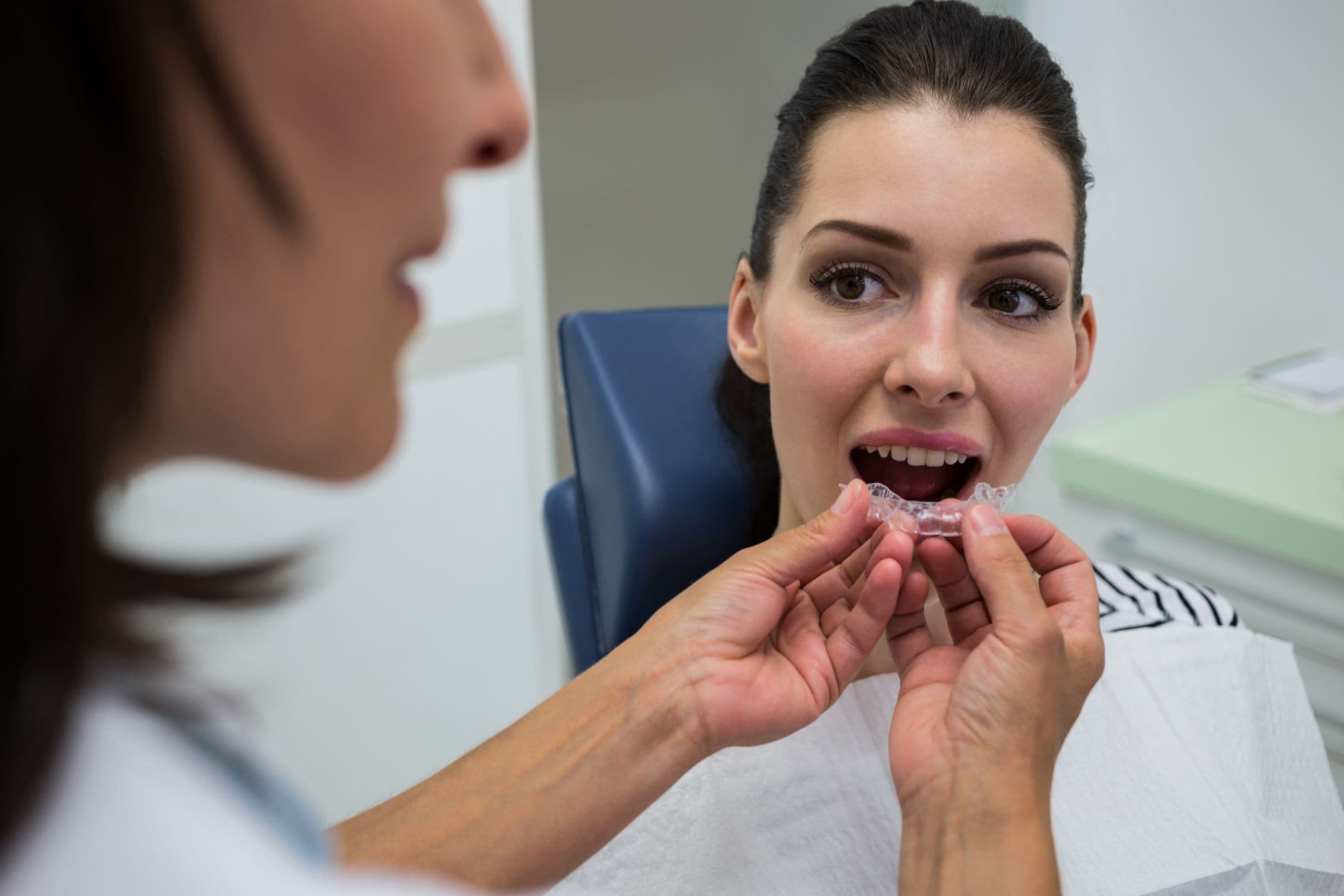
You’re not alone if you’ve been thinking about straightening your smile as an adult. Maybe you skipped braces as a teen, or your teeth have shifted over the years. The good news? It’s never too late to get orthodontic treatment. Adult orthodontics has grown dramatically, and today’s options make confident smiles more achievable and harder to spot than most people expect.
What Is Adult Orthodontic Treatment?
Adult orthodontic treatment corrects misalignment, bite concerns, and spacing in patients 18 and older using braces, clear aligners, or other appliances. It’s one of the fastest-growing areas of modern dentistry. Treatment improves oral health, reduces jaw discomfort, and enhances smile aesthetics. At Sparkman Orthodontics, our board-certified orthodontists evaluate each patient’s unique dental structure to create a plan that delivers lasting confident smiles.
According to the American Association of Orthodontists, roughly 1 in 3 orthodontic patients today is an adult. That’s a big shift from decades past, when braces were seen as something only teenagers wore.
So why are more adults seeking treatment now? The reasons vary. Some deal with crowding that’s gotten worse over time. Others have overbites, underbites, or open bites that affect how they chew or speak. Jaw discomfort and headaches from bite misalignment bring many adults to an orthodontist for the first time.
Here’s something worth understanding: alignment care isn’t just about looks. Yes, a straighter smile boosts confidence. But proper alignment also makes teeth easier to clean, reduces wear on enamel, and supports long-term oral health. Teeth that overlap or crowd together create hiding spots for plaque and bacteria. Straightening those teeth now can prevent bigger concerns down the road.
And if you’re wondering whether adult teeth can actually move, they absolutely can. Teeth respond to gentle, consistent pressure at any age. The process may take a bit longer than it would for a teenager, but the results are just as effective with proper care from an experienced orthodontist.
How Does Adult Orthodontic Treatment Work?
Understanding the treatment process helps you know what to expect. At Sparkman Orthodontics, our board-certified orthodontists follow a structured approach, though each patient’s timeline and specifics will differ. Here’s how it typically unfolds:
- Initial free consult and imaging. Your first visit includes a thorough exam, digital X-rays, and often 3D scans of your teeth. This gives your orthodontist a full picture of your alignment, bite, and jaw structure.
- Custom treatment plan. Based on your imaging, your orthodontist creates a plan that is customized to your specific needs. You’ll discuss your goals and learn which options fit best, including projected timelines and what treatment involves day to day.
- Appliance placement. Whether you choose braces or clear aligners, this is when treatment officially begins. Braces are bonded to your teeth during a single visit. Clear aligner patients receive their first sets of trays with instructions for wear.
- Regular progress visits. For braces, you’ll come in every few weeks for adjustments. Clear aligner patients switch to new trays on a set schedule and check in periodically so your board-certified orthodontist can monitor progress and make any needed modifications.
- Retention phase. Once your teeth reach their final positions, retainers keep them there. Retainers matter. A lot. Skipping this phase is the most common mistake adults make, because without retention, teeth can drift back toward their original positions over time.
Most adults find the whole experience far more manageable than they expected.
Key Benefits of Adult Orthodontic Treatment
Why invest in orthodontic treatment as an adult? The benefits go well beyond aesthetics.
How Does Straightening Teeth Improve Oral Hygiene?
Straight teeth are simply easier to brush and floss. When teeth overlap or crowd together, toothbrush bristles and floss can’t reach every surface. This leads to plaque buildup, cavities, and gum inflammation. Proper alignment eliminates those hard-to-reach areas, making your daily routine more effective and reducing your risk of decay.
Can Orthodontic Treatment Reduce Jaw Discomfort and Headaches?
Bite concerns put stress on your jaw joints and muscles. Many adults live with chronic tension headaches or TMJ discomfort without realizing their bite is the cause. Correcting alignment often brings noticeable relief. Some patients report that headaches they’d dealt with for years decreased significantly after treatment.
What About Tooth Wear and Long-Term Dental Health?
When your bite doesn’t line up correctly, certain teeth bear more pressure than they should. Over years, this causes uneven wear, chips, and even cracks. Treatment distributes biting forces more evenly across all your teeth, protecting them from premature damage.
How Does a Straighter Smile Boost Confidence?
Feeling good about your smile matters, whether you’re in job interviews, client meetings, or social gatherings. Many adults tell us they smile more freely after treatment, and that shift in confidence shows up in both personal and professional settings. It’s one of those changes that affects more of your daily life than you might expect.
Can Adults Straighten Teeth Discreetly?
Today’s ceramic braces and clear aligners are hard to spot, which many adults appreciate in professional settings. You don’t have to announce to the world that you’re in treatment. Options like Spark clear aligners and clear ceramic brackets let you move through your day without drawing attention to your teeth.
Does Orthodontic Treatment Prevent Future Dental Concerns?
Preventing decay, gum disease, and damaged teeth now means fewer crowns, root canals, and extractions later. Treatment is an investment in your future dental health. Teeth that sit in proper alignment are easier to maintain year after year, which saves you time and money at the dentist’s office.
Comparing Adult Orthodontic Treatment Options
Not all treatment types are the same. Here’s how the most popular options compare:
| Treatment Type | Visibility | Best For | Key Features | Typical Duration |
|---|---|---|---|---|
| Traditional Metal Braces | Most visible | Complex cases, severe misalignment | Most versatile, handles all bite types | 18–24 months |
| Damon® Braces | Moderate | Adults wanting fewer visits | Self-ligating brackets, no elastic ties, potentially faster treatment | 12–24 months |
| Clear (Ceramic) Braces | Low | Adults wanting braces effectiveness with a subtler look | Tooth-colored brackets blend with enamel | 18–24 months |
| Invisalign | Very low | Mild to moderate cases | Removable clear trays, eat whatever you want | 12–18 months |
| Spark Clear Aligners | Very low | Adults prioritizing comfort and clarity | TruGEN material for stain resistance and comfort | 12–18 months |
Traditional metal braces remain the gold standard for complex cases. They can correct severe crowding, significant bite concerns, and rotations that other options can’t handle as efficiently.
Damon® Braces
Damon® Braces use a self-ligating system, meaning brackets hold the wire without elastic ties. This can mean more comfortable adjustments and potentially shorter treatment times for some patients.
Clear Ceramic Braces
Clear ceramic braces work like traditional braces but use tooth-colored or clear brackets. They’re a great middle ground: effective for complex cases while being less noticeable.
Invisalign and Spark Clear Aligners are removable tray systems. You wear each set for about two weeks before switching to the next. They’re popular with adults because they’re nearly invisible and let you eat without restrictions. However, they work best for mild to moderate alignment concerns.
At Sparkman Orthodontics, our team will recommend the option that fits your specific needs, lifestyle, and goals.
What Does Adult Orthodontic Treatment Typically Run?
Several factors influence what you’ll pay for adult orthodontic treatment, including the type of appliance, how complex your case is, how long treatment takes, and where you live. Here’s a breakdown of what shapes pricing and how to plan for it.
Treatment type matters. Clear aligners and ceramic braces typically run higher than traditional metal braces due to materials and technology involved.
Case complexity plays a role, too. Minor spacing concerns require less time and fewer adjustments than severe crowding or bite corrections, so more involved cases naturally run higher.
Treatment duration affects pricing. A 12-month treatment plan runs less than a 24-month plan. Your specific alignment needs determine the timeline.
Regional market factors also vary. Orthodontic fees differ by region based on local market conditions and overhead.
What about insurance? Many dental insurance plans include orthodontic benefits, even for adults. Coverage varies widely, so check your specific plan details. Some plans cover a set dollar amount, while others cover a percentage of treatment.
Flexible payment options help. Most orthodontic practices, including Sparkman Orthodontics, offer monthly payment plans that spread the total over the treatment period. Many also provide online payment calculators so you can estimate monthly amounts before your first visit.
Think of alignment care as a long-term investment. Properly aligned teeth are easier to maintain and less prone to conditions that require restorative work later.
Are You a Candidate for Adult Orthodontic Treatment?
Most adults with healthy teeth and gums are good candidates for orthodontic treatment. Ideal candidates include those with crowding, gaps, bite concerns, or orthodontic relapse. Here’s a closer look at what might make treatment right for you:
- Crowded or overlapping teeth that have bothered you for years
- Gaps between teeth you’d like to close
- Bite concerns like overbite, underbite, crossbite, or open bite that affect chewing or comfort
- Previous orthodontic work that has relapsed over time
- Jaw discomfort related to misalignment
Some factors require attention before starting treatment. Active gum disease needs to be controlled first. Significant bone loss may limit certain treatment options. Missing teeth can be accommodated, and treatment plans work around crowns, bridges, and gaps.
What if you have fillings, crowns, or a history of extractions? In most cases, none of that disqualifies you. Orthodontists regularly design treatment around existing dental work. Even patients with bridgework or implants can often benefit from alignment improvements in other areas of their mouth.
Who Is a Good Candidate for Adult Braces?
A good candidate for adult braces is anyone 18 or older with healthy teeth and gums who wants to correct crowding, spacing, bite misalignment, or orthodontic relapse. At Sparkman Orthodontics, our team evaluates your dental history, current oral health, and alignment goals during a free consult to determine which approach makes sense for your situation. There’s no obligation, just information to help you decide whether treatment fits your needs and timeline.
Frequently Asked Questions About Adult Orthodontics
Is there an age limit for orthodontic treatment?
There is no age limit for orthodontic treatment. Our team treats adults of all ages. If your teeth and gums are healthy, age isn’t a barrier. As long as your oral health is in good condition, treatment can work for you.
How long does adult orthodontic treatment take?
Most adult treatments take between 12 and 24 months. Your specific timeline depends on what needs correction. Minor spacing concerns may resolve in under a year, while complex bite corrections take longer. Your orthodontist provides a realistic estimate during your free consult.
Will I experience discomfort with adult braces?
You’ll experience some soreness, especially after adjustments or when starting new aligner trays. Most people describe it as pressure rather than anything sharp. Over-the-counter relievers and soft foods help during adjustment periods, and the soreness typically fades within a few days.
Can I get braces if I have crowns or missing teeth?
Yes. Orthodontists work with existing dental work regularly. Crowns can have brackets bonded to them, and missing teeth don’t prevent treatment. In fact, orthodontics can sometimes close gaps or create better spacing for future implants or bridges.
What side effects can braces cause in adults?
Temporary effects are common but manageable. You might notice mild soreness, slight speech changes with new appliances, or minor irritation from brackets. These effects diminish as you adjust. Maintaining good oral hygiene during treatment prevents more significant concerns like cavities or gum inflammation.
Will I need to wear a retainer forever?
Retainers are essential for maintaining your results. Most orthodontists recommend wearing retainers full-time initially, then transitioning to nighttime wear. Many adults wear retainers at night indefinitely to prevent any shifting. It’s a small habit that protects your confident smiles for good.
A straighter smile isn’t reserved for teenagers. Adults across the country are discovering how orthodontic treatment improves their confidence, comfort, and oral health. With today’s discreet options and flexible payment plans, getting started is easier than you might think. If you’ve been considering treatment, a free consult is the simplest way to get the information you need.